Public Planning · Urban Research · Policy · Monitoring & Evaluation
Public Planning & Urban Systems
Joe Quarcoo’s planning career brings together public-sector practice, applied research, monitoring and evaluation, community-based inquiry and international collaboration — all directed toward more responsive and people-centred places.
Joe’s planning practice is grounded in inclusive urban development: understanding how formal systems interact with urban informality, lived experience, community participation and people’s right to shape and belong to the city.
From Ghana’s national land-use planning system to international research on city leadership, climate risk and urban resilience.
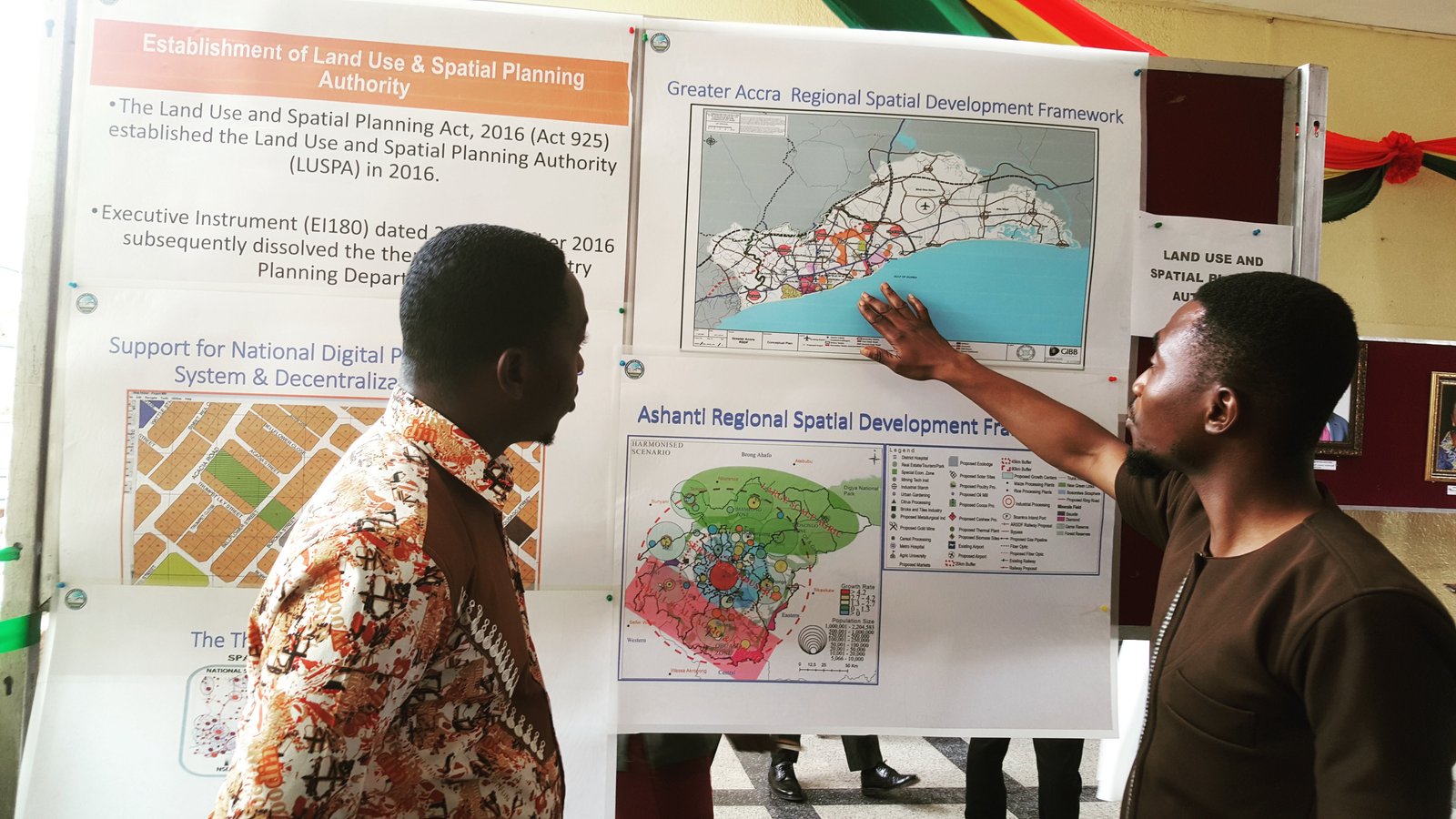
Public-Sector Planning · 2016–2023
Working within Ghana’s land-use planning system.
Between 2016 and 2023, Joe worked at the Head Office of Ghana’s Land Use and Spatial Planning Authority (LUSPA) — the national authority responsible for strengthening spatial planning, coordinating planning practice and supporting more effective land-use management. He progressed from Assistant Town Planner to Town Planner and subsequently to Planning Officer with responsibility in Research, Monitoring and Evaluation.
Working at the national Head Office exposed Joe to planning questions operating across local, regional, institutional and national scales. His contributions included:
- Spatial-development frameworks and planning studies
- Structure plans and plan-preparation processes
- Review of consultant reports and technical documents
- Planning standards and policy discussions
- Stakeholder consultation
- Monitoring, evaluation and institutional learning
- National urban-policy conversations
- Major infrastructure and master-planning processes
- Inter-ministerial and inter-agency coordination
- National committees, technical meetings and professional workshops
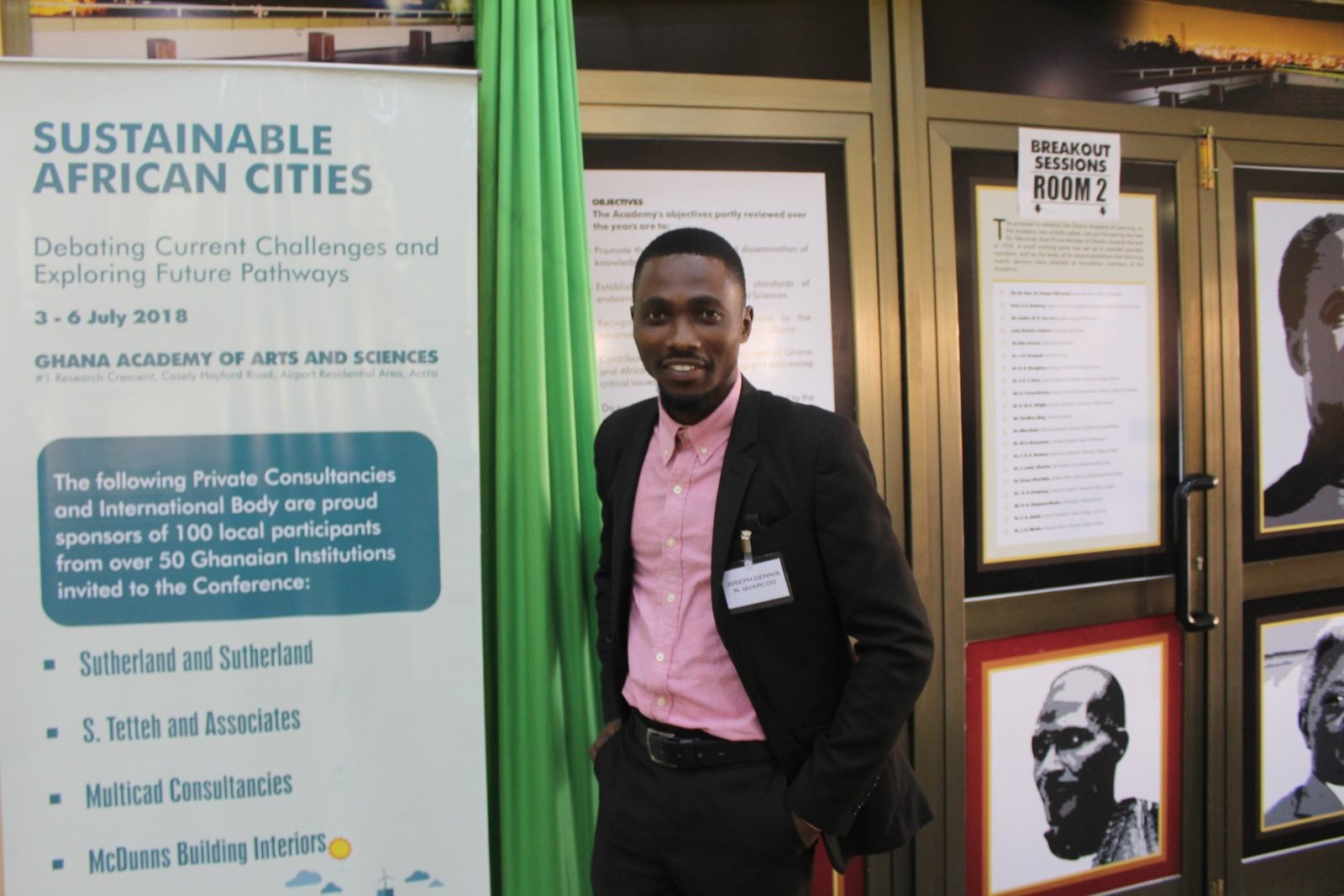
Based at LUSPA’s national Head Office, Joe contributed to work extending beyond individual plans. He represented the Authority — usually alongside a Director or other senior official — in inter-ministerial and inter-agency meetings, national committees, technical workshops and policy discussions. This experience developed his understanding of how national ambitions, institutional responsibilities and local implementation realities must be connected.
This experience developed Joe’s understanding of planning not simply as the production of plans, but as a public system: one shaped by evidence, institutions, implementation capacity, community realities and the relationships between national and local actors.
At the time Joe moved to the United Kingdom, he had been scheduled for a promotion interview to Senior Planning Officer in Research, Monitoring and Evaluation — a marker of his professional progression within the institution.
2016
Assistant Town Planner
Beginning within Ghana’s Land Use and Spatial Planning Authority.
Progressed to
Town Planner
Developing practice across plan preparation, research and fieldwork.
Subsequently
Planning Officer / Research, Monitoring & Evaluation Officer
Responsibility within Research, Monitoring and Evaluation.
2023
Relocated to the United Kingdom
After being scheduled for a Senior Planning Officer promotion interview in Research, Monitoring and Evaluation.
Professional Membership
Member, Ghana Institute of Planning (MGIP)
Joe holds professional membership of the Ghana Institute of Planning, the national professional body for planners in Ghana.
Visit the Ghana Institute of PlanningNational Policy Engagement
Ghana Urbanisation Think Tank
The Ghana Urbanisation Think Tank brought planners, policymakers, researchers, technical professionals and development partners into dialogue about Ghana’s urban transition. Its work connected research, professional practice and implementation experience with national discussions about urban policy, governance, infrastructure, spatial development and the future of Ghanaian cities.
As a member, Joe participated in discussions that brought practical planning and institutional experience into wider consideration of Ghana’s urban challenges and policy priorities. This involvement complemented his role at LUSPA, where he contributed to national urban-policy and planning-standard discussions and helped bring implementation realities into technical and policy forums.
Explore Ghana’s Revised National Urban Policy 2025–2034A Defining Specialism
Inclusive urban planning and development.
An important thread running through Joe’s planning, research and policy work is the relationship between formal urban systems and the people, livelihoods and everyday practices those systems affect. His interest extends beyond any single population or settlement. It concerns how planning can respond to urban informality, recognise lived experience, enable meaningful participation and support everyone’s right to belong to and help shape the city.
At LUSPA, Joe brought this inclusion lens to consultations, reviews of plans and standards, policy discussions and stakeholder processes. He encouraged attention to livelihoods, access, community use of space and the consequences that technical decisions can have for people who may be poorly represented within formal planning processes.
The underlying questions are consistent across his work: who is recognised within plans and policies; who participates meaningfully in decisions; whose knowledge and lived experience are considered; who benefits from urban development; who bears the costs of regulation or redevelopment; how formal planning can respond constructively to urban informality; and what it means for everyone to have a right to participate in and belong to the city.
Joe’s research into street vending offered a focused way of examining a much wider planning question: when cities are regulated, redeveloped or made more efficient, whose needs, knowledge and right to the city are recognised?
MPhil Urban Studies · University of Cape Town
Your Mess, My Life: The Junction between Land Use Planning and Street Vending in the Accra Mall Enclave
Joe’s MPhil research examined the relationship between land-use planning, public-space management, urban informality and the lived realities of street vendors — a focused study of the wider inclusive-planning questions running through his practice.
View the UCT Research RecordPlanning in Practice
Evidence, institutions and places.
Spatial and development planning
Supporting the preparation and consideration of plans within an institutional planning environment.
Research and policy
Connecting evidence, policy questions and practical planning priorities.
Monitoring and evaluation
Examining implementation, organisational performance, progress and learning.
Field reconnaissance
Engaging directly with places and gathering the contextual information needed to inform planning.
Stakeholder engagement
Working across professional, institutional and community relationships.
Urban systems thinking
Understanding places through the interaction of governance, infrastructure, people, risk and development.
Community-Based Urban Research
Understanding change from within a settlement.
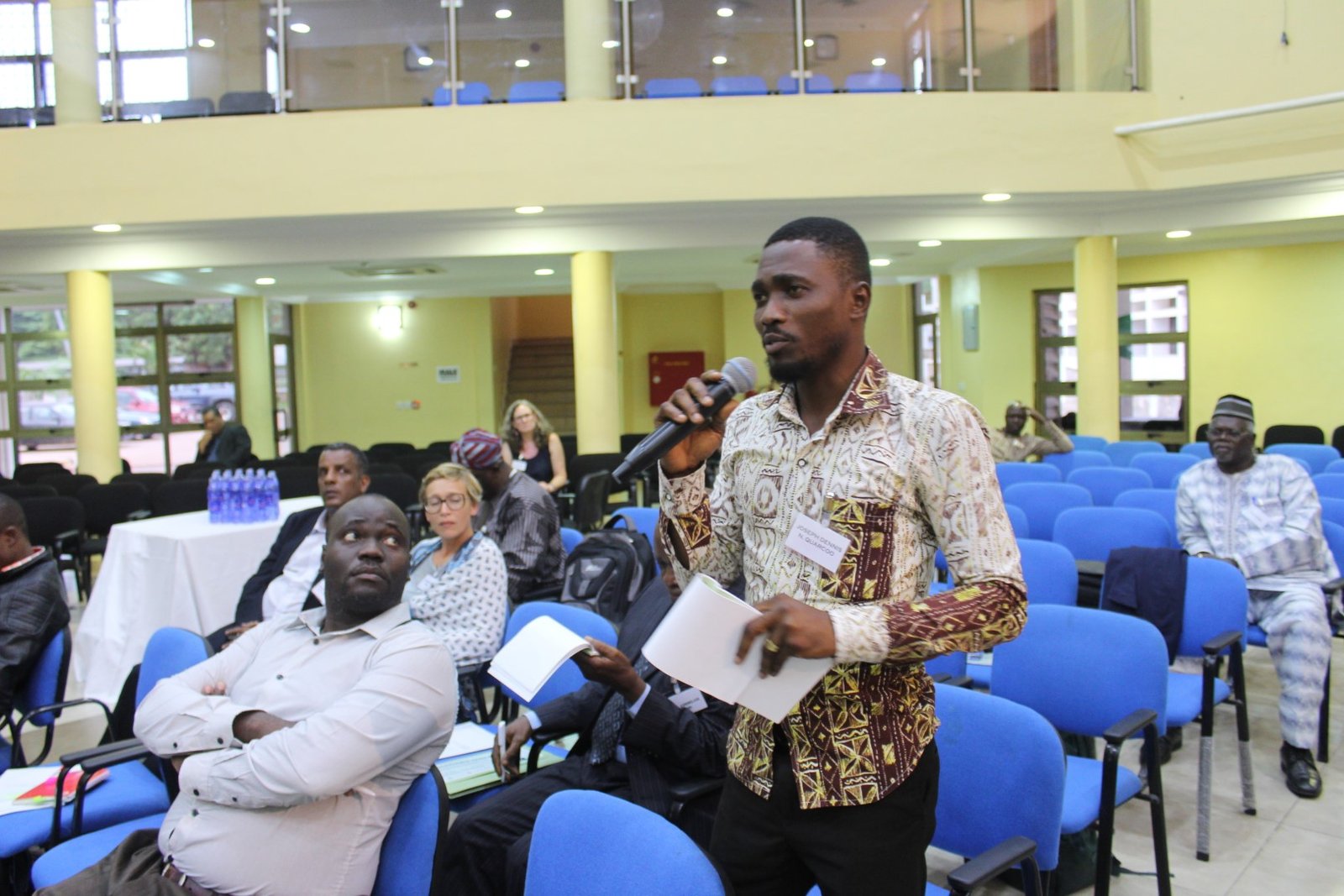
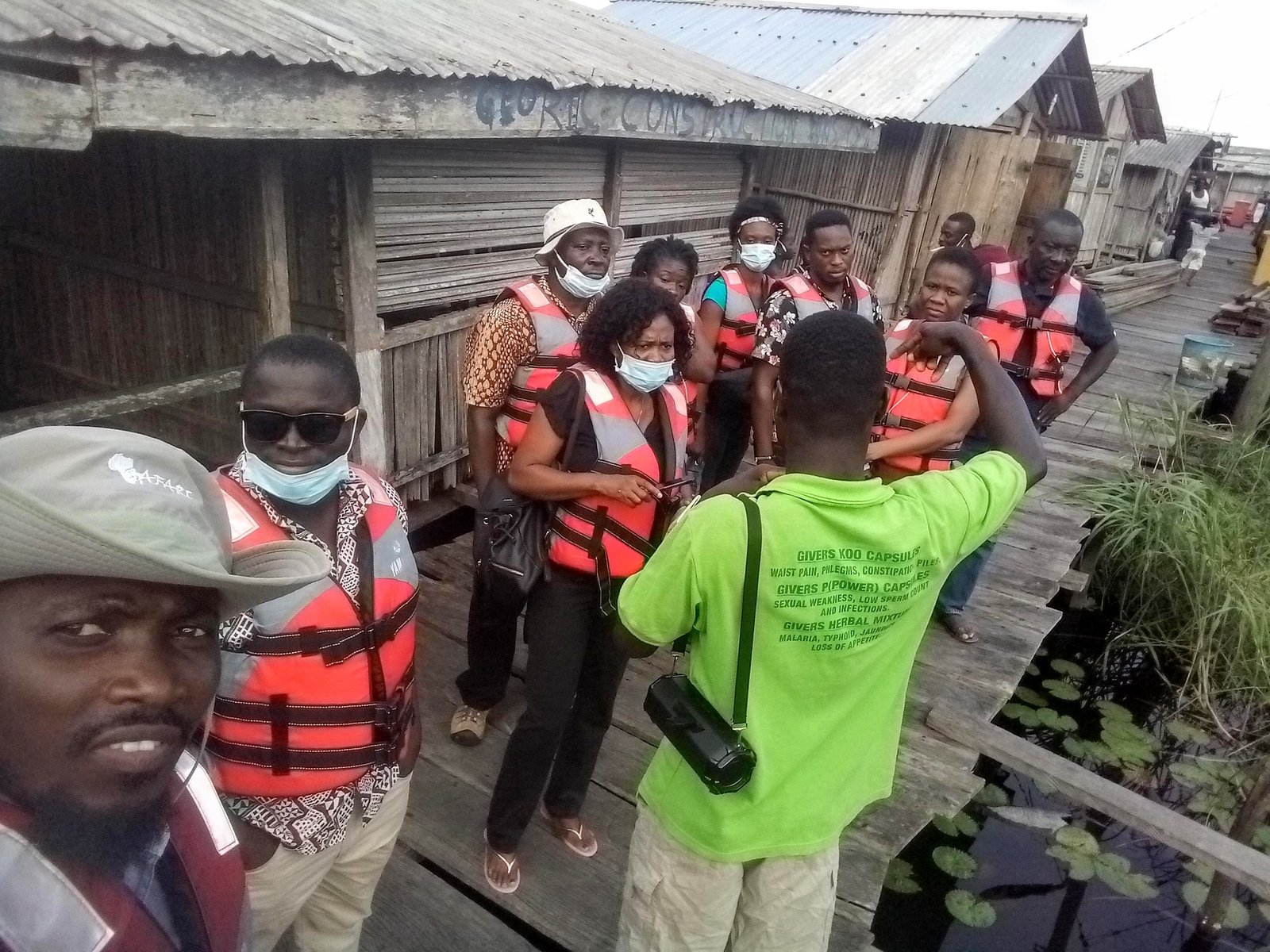
The Napier settlement study is one expression of the inclusive-planning lens that runs through Joe’s LUSPA work, policy engagement and research into urban informality. It brought planning and community-development questions into direct contact with residents’ lived experiences, exploring the settlement’s conditions, patterns of change and the relationship between community realities and wider development processes.
The work reflects an approach to planning that begins with careful observation, local knowledge and respect for the people whose lives are affected by planning decisions — a collaborative study, not a project delivered alone.
Napier Settlement Study
Explore the dedicated account of the research, its setting and the planning questions it examined.
Explore the Napier researchCornell University · Global City Leadership
Contributing to a global picture of city leadership.
Joe served as an International Research Consultant on Your City Counts, the Cornell University Mui Ho Center for Cities’ Global Survey of City Leaders.
As a Ghana-based member of the international research team, he contributed within a wider global collaboration examining how local government leaders understand their cities’ economies, housing, infrastructure, built and natural environments, social issues, governance and finance.
The project brought together researchers and partners across countries and institutions, ultimately gathering responses from 246 city leaders across every major geographical region.
Your City Counts
Global Survey of City Leaders
A Cornell University-led international research collaboration exploring the priorities, constraints and perspectives of city leaders around the world.
Red Cross Red Crescent Climate Centre
Researching risk at the intersection of climate, policy and urban life.
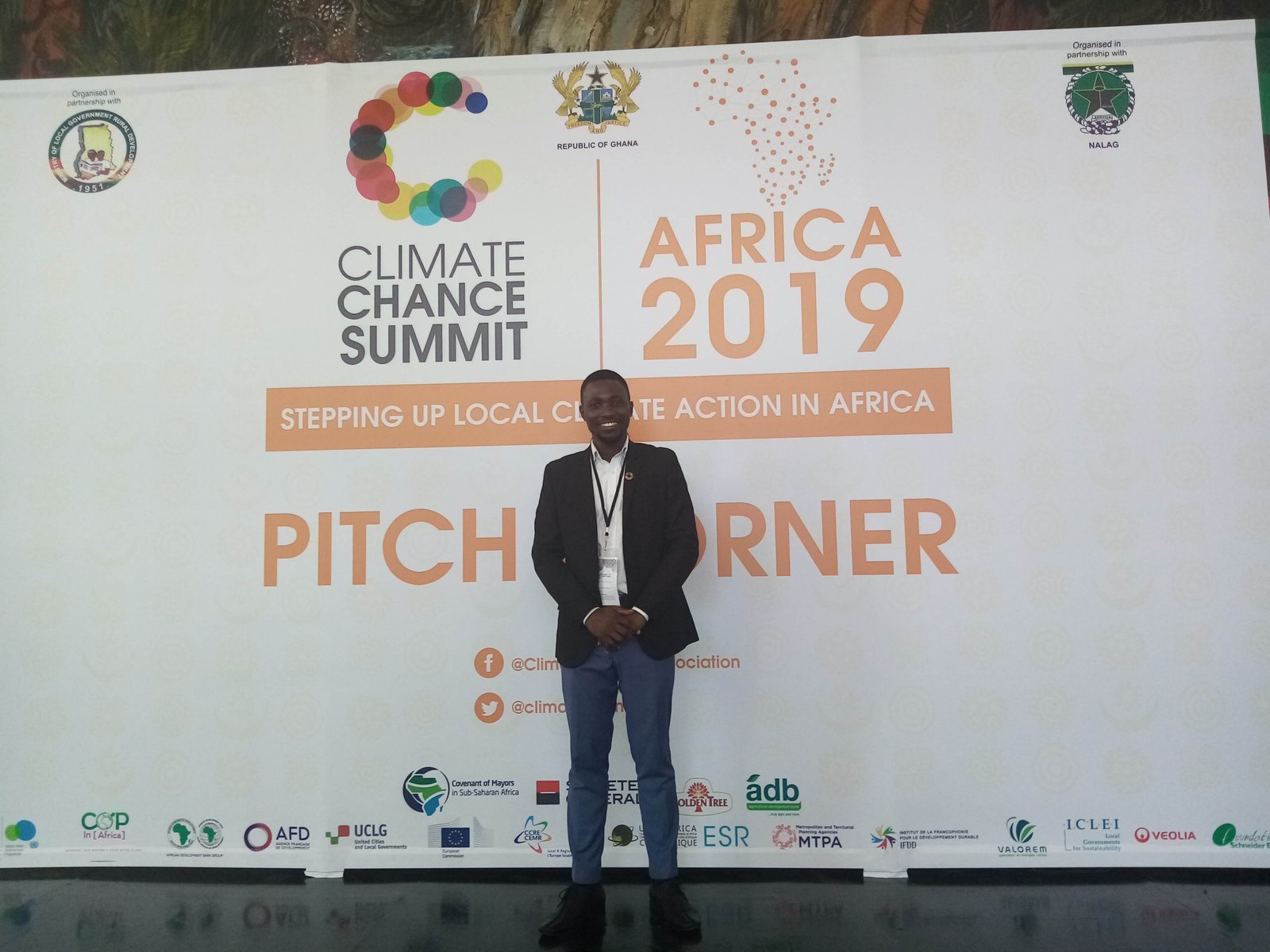
As a Junior Researcher with the Red Cross Red Crescent Climate Centre, Joe worked closely with Roop Singh and colleagues in the Urban and Policy Team.
His work formed part of a collaborative research environment concerned with the humanitarian consequences of climate change and the policies, systems and public responses needed to support vulnerable communities.
Areas of contribution included policy work, comparative analysis of responses to Covid-19 and research support connected with Can’t Take the Heat, the Climate Centre podcast exploring how people and institutions can adapt to a warming world.
Policy
Contributing to research and thinking at the intersection of climate risk, humanitarian action and public policy.
Comparative Research
Supporting comparative analysis of Covid-19 responses and the interaction between public-health emergencies and other forms of risk.
Public Knowledge
Contributing within the team supporting Can’t Take the Heat and wider communication of climate and humanitarian ideas.
Towards COP26
When research found expression through music.
During Joe’s time with the Climate Centre and the organisation’s work towards COP26, he led the creation of The Climate Anthem — We Are the World.
Created in collaboration with Petro Mbwanya from the Voice1Africa community, the song translated the urgency of climate responsibility into a form designed to connect across professional, cultural and geographical boundaries.
The work was submitted to COP26 through the Climate Centre. Although it was not selected for broadcast, it remains an important example of Joe’s ability to connect research, public ideas, collaboration and creative expression.
The Climate Anthem — We Are the World
This content is hosted on YouTube. Loading it may allow YouTube to set cookies or receive information about your visit.
A People-Centred Approach
Planning is ultimately about how people live.
Across public planning, settlement research, monitoring and evaluation, global urban inquiry and climate policy, the connecting thread in Joe’s work is an interest in how systems affect everyday life.
His approach brings together institutional understanding, structured research, field observation, collaborative working and a concern for human wellbeing. It recognises that plans and policies matter most when they can respond to the realities of people, communities and places.
Good planning connects evidence with institutions, and institutions with the lived realities of people.
Beyond Planning
An inclusion lens that travels across sectors.
The inclusion questions present in cities also arise within organisations, programmes and public services: who is visible, who participates, whose experience informs decisions and who may be unintentionally excluded? Joe brings this systems-and-people perspective to research, policy, programme design, stakeholder engagement and diversity, equality and inclusion work.
The approach is informed by social psychology, urban planning, policy and institutional experience, community engagement, research and evaluation, and sustained attention to lived experience. It is not a claim that planning and organisational DEI are identical disciplines, but a transferable analytical and engagement lens — one that examines systems, participation, power, access and lived consequences.
Work With Joe
Planning, research and systems insight for work that matters.
Joe is open to contributing to collaborative projects that require systems thinking, inclusive research, policy insight, stakeholder engagement and a grounded understanding of how institutional decisions affect people’s everyday lives.
- Inclusive urban development
- Urban informality and the right to the city
- Planning and policy research
- Public-sector strategy
- National and local urban policy
- Stakeholder and community engagement
- Monitoring, evaluation and organisational learning
- Institutional and inter-agency coordination
- Participatory programme design
- Equity, inclusion and DEI-informed systems work
- Knowledge translation and public communication