Community Impact · Social Innovation
Nkosuo Initiative Foundation
Community-led programmes advancing dignity, livelihoods, learning and opportunity.
Ghana · Began in 2016 · Registered in 2019
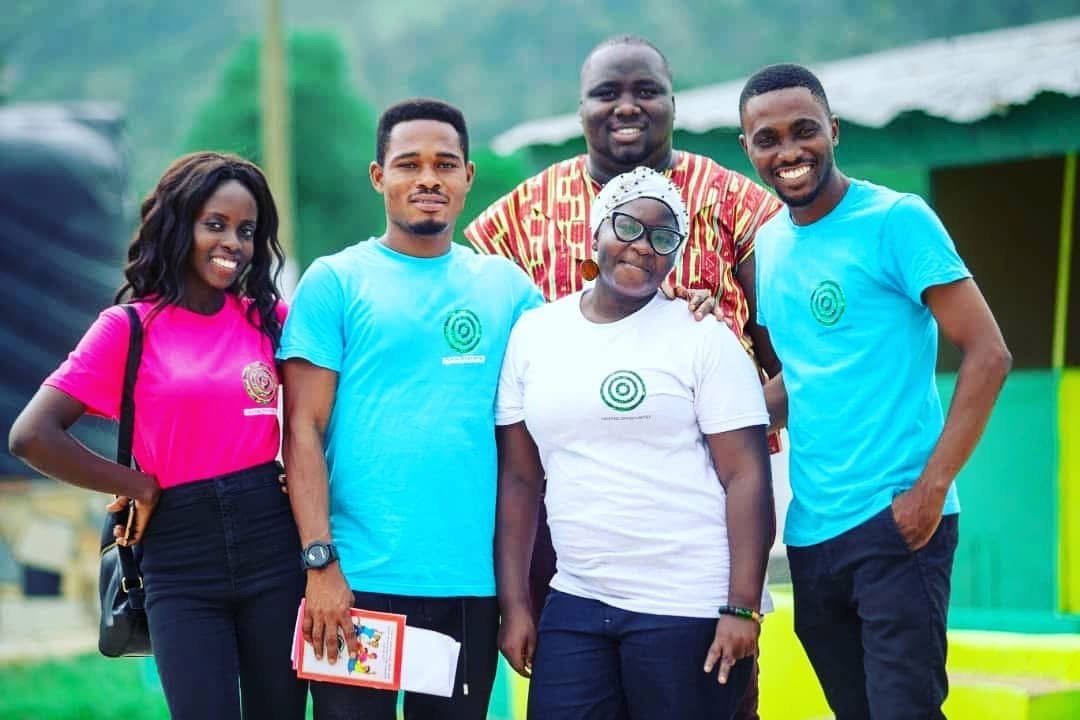
Nkosuo Initiative Foundation is a youth-led Ghanaian organisation created to support the social and economic empowerment of women, young people and communities experiencing disadvantage.
Its work has brought together community development, menstrual-health education, local economic development, mentoring, research, advocacy and practical capacity building.
Joe Quarcoo founded the initiative and served as its original project lead, working alongside board members, programme teams, volunteers, institutional partners and community participants.
The Beginning
From an idea to a shared initiative.
Joe founded Nkosuo Initiative in 2016. Early direction was further shaped following his participation in an international programme on policies, strategies and support systems for rural revitalisation at the Weitz Center for Sustainable Development in Rehovot, Israel.
That experience informed an early question: how could planning, community knowledge, enterprise and mentoring be combined to strengthen opportunity in underserved communities?
The foundation was formally registered in 2019. What began as one development idea grew into a collaborative organisation supported by a board, multidisciplinary project teams, volunteers and community relationships.
Local Economic Development
The Trotor experiment.
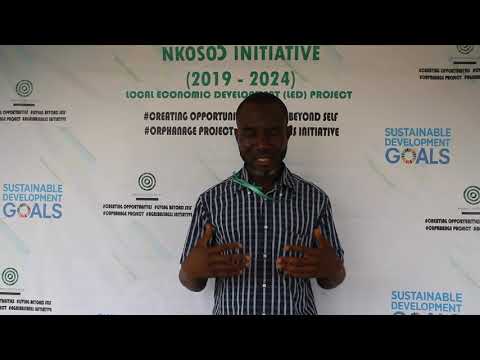
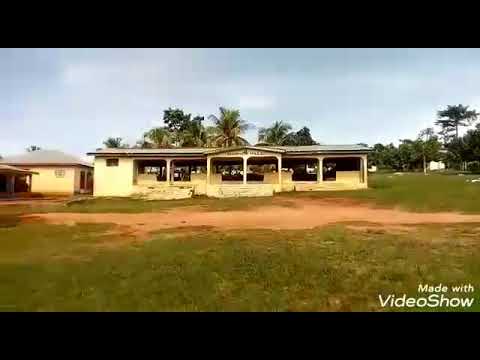
The Nkosuo Initiative’s early work in Trotor, a cocoa-growing community in Ghana’s Eastern Region, responded to financial strain created by seasonal rural incomes.
The initiative combined agribusiness, spatial planning and mentoring. In partnership with the Trotor community and orphanage, the team commenced a six-acre vegetable farm involving crops such as pepper, ginger, turmeric and cucumber. The work also explored value addition, local products and alternative livelihood opportunities.
The original agribusiness model did not achieve intended continuity. It became an important lesson in the difference between participation and genuine local ownership. Some output nevertheless informed early development of Nkosuo Natural spice products.
Commitment from a project leader cannot substitute for ownership by the people and systems expected to sustain the work.
Menstrual Health and Dignity
From distributing products to supporting informed choice.
Nkosuo’s menstrual-health work began with concern that girls and young women in low-income communities did not always have reliable products or sufficient information to manage menstruation safely and confidently.
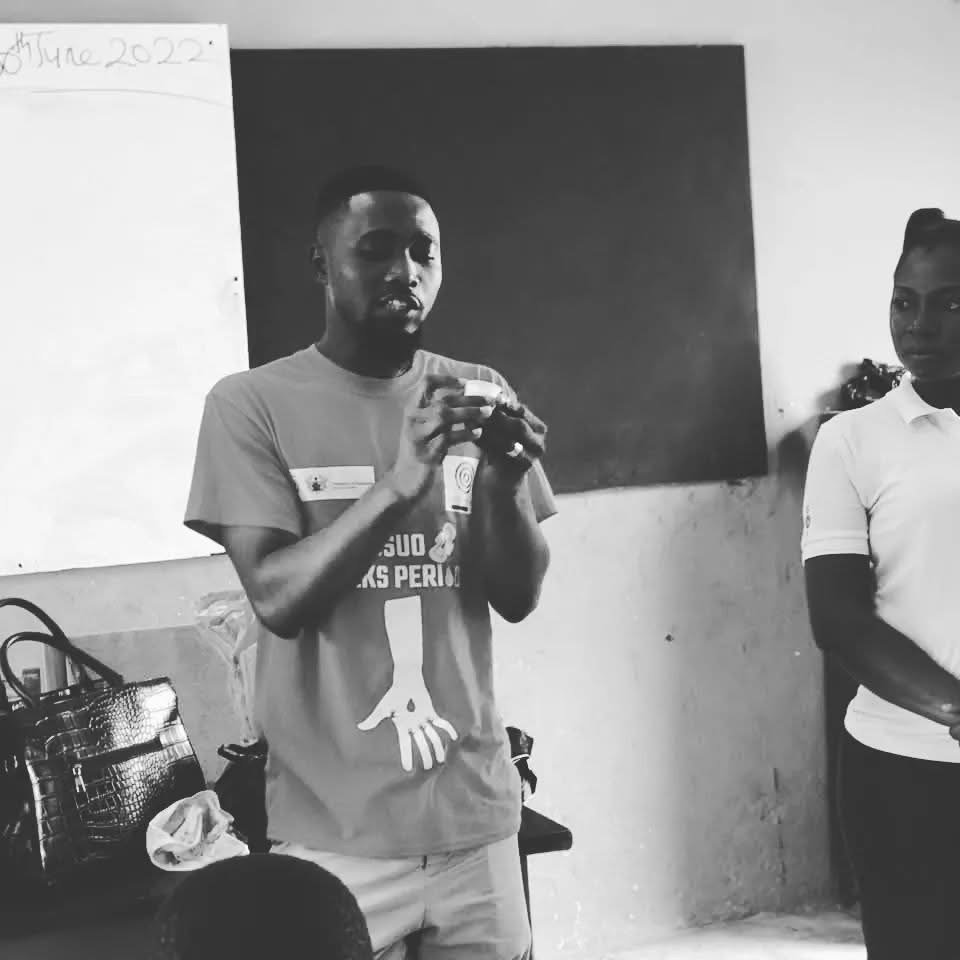
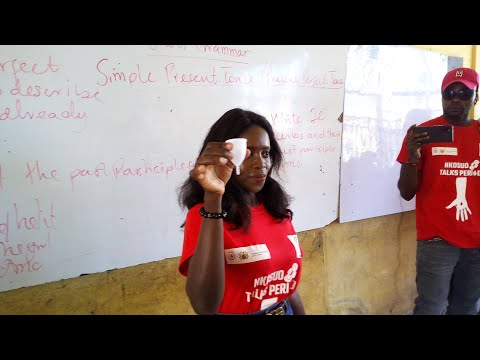
The programme developed beyond one-off product distribution. It combined menstrual-health education, reusable sanitary pads, menstrual cups, local production, school partnerships, mentors, follow-up and conversations about health, cost, culture, stigma and personal choice.
Delivered in partnership with the Ghana Education Service (GES), the school-based campaign worked with public schools serving communities within the LEKMA municipality in Accra, including Indigenous Ga communities. The partnership connected menstrual-health education and access to reusable products with locally informed conversations about health, dignity, cost, stigma and personal choice.
Boys were included in appropriate educational conversations because reducing stigma and menstrual bullying requires wider understanding and shared responsibility.
The programme did not treat one product as correct for everyone. Disposable products, reusable pads and menstrual cups were presented within an informed-choice approach shaped by personal circumstances and cultural realities.
Reach and Learning
What the programme reached.
30,000+
people reached
Reported across the wider menstrual-health programme.
15
public-school clusters
Reached through the programme’s school-based work.
Approximately 70%
reusable-pad adoption
Recorded within monitored groups.
Approximately 40%
menstrual-cup adoption
Recorded within relevant monitored groups.
Figures are drawn from Nkosuo Initiative programme records. Adoption rates refer to monitored participant groups.
Learning and Partnership
Building capability with people.
Nkosuo’s work involved educators, health professionals, planners, agronomists, students, volunteers, local contacts and community participants.
In 2019, the University of Ghana’s Department of Social Work partnered with the initiative, with six students undertaking fieldwork connected to the Trotor Orphanage. Contemporary public accounts also described a six-member board, a fifteen-member project team and a volunteer network of more than 120 people from different countries.
The organisation’s approach increasingly emphasised accompaniment rather than isolated interventions: local mentors, follow-up conversations, skills transfer and development of people able to continue the work.
The African Dream Project
Making young African aspirations visible.
The African Dream Project invited young Africans to describe the continent they hoped to help build. Contributions such as “My African Dream” and “The Africa We Want” created a growing collection of personal visions, public reflections and youth voices.
This storytelling work became part of the foundation from which Voice1Africa later emerged. Voice1Africa developed the idea into a wider Pan-African platform for dialogue, public learning, leadership development, creative expression and civic participation.
Leadership and Continuity
Building something others can carry.
Joe Quarcoo served as founder and original project lead, but Nkosuo was never the work of one person. Its programmes depended on boards, teams, volunteers, partners, community members and local leadership.
Following Joe’s relocation, continued day-to-day leadership from a distance became impractical. In 2023, a successor Executive Director assumed operational leadership under board oversight.
That transition forms part of the initiative’s wider leadership lesson: a durable institution must be capable of continuing beyond its founder’s daily presence.
Documenting the Work
Stories, programmes and people.
The surviving public record includes programme films, participant reflections, photographs and independent media coverage. Together, these materials document the organisation’s work while preserving the distinction between proposed aims, recorded reach, participant experience and independently reported facts.
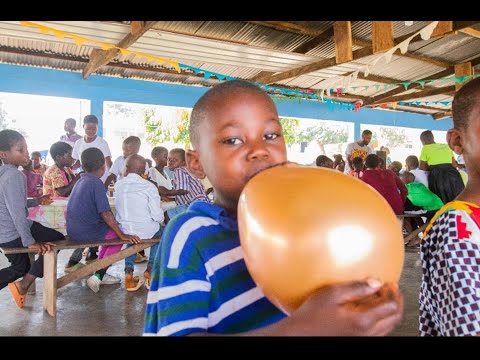
Community care has remained another expression of Nkosuo’s work. Alongside its development and menstrual-health programmes, the initiative has supported the Trotor Orphanage through donations, shared activities and seasonal love feasts, including gatherings held around Valentine’s Day and Christmas. These occasions brought volunteers, children and community partners together around care, companionship and practical support.
African Dreams
Early voices that helped shape what came next.
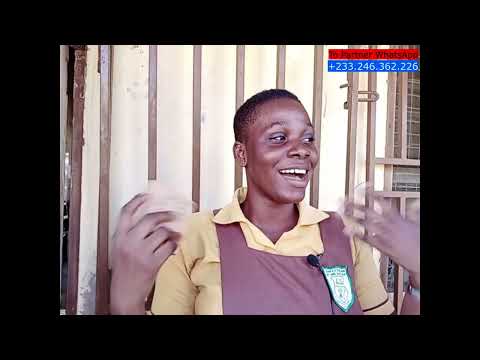
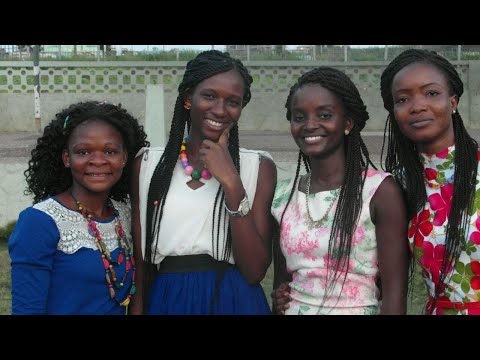
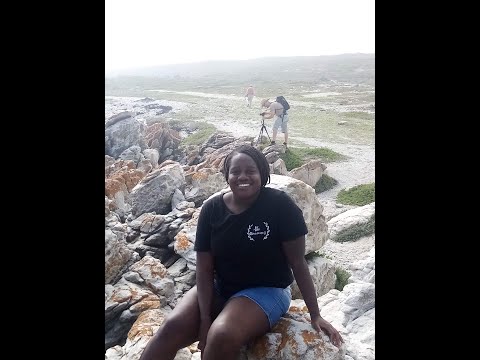
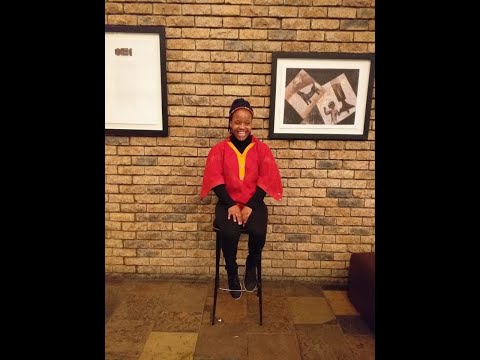
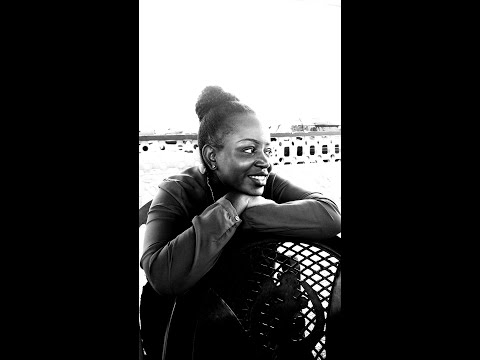
The African Dream Project created space for young Africans to articulate their aspirations for themselves, their communities and the continent. These surviving contributions help document the storytelling strand from which Voice1Africa later grew.

Volunteer Perspectives
A shared vision carried by many people.
Yao Selorm Kuatsinu’s published 2019 account described Nkosuo as a shared vision involving its board, project team and an international volunteer network. His reflection emphasised coordinated responsibility, partnership and practical responses to social and economic challenges.
Read the volunteer reflectionPublic project profiles recorded volunteers working alongside the Trotor community and orphanage. Their accounts emphasised literacy, mentoring, farming, practical skills and the long-term development of children and young people.
Read the project and volunteer profilesRecognition and Collaboration